
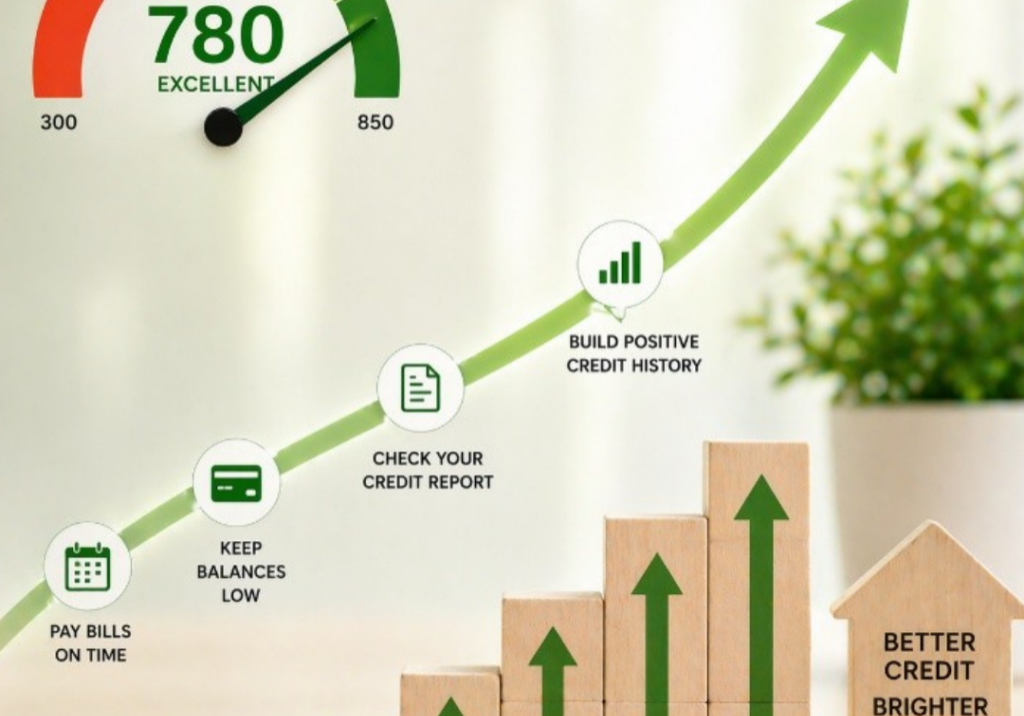
For many individuals, the idea of improving a credit score can feel overwhelming, particularly when past financial challenges have created a sense that recovery is complex or out of reach. Credit scores are often viewed as fixed indicators of financial health, when in reality they are dynamic and responsive to consistent changes in behavior over time. The process of rebuilding credit is not about perfection, but about creating a pattern of stability that gradually shifts how lenders evaluate risk.
Understanding how to improve your credit score begins with recognizing what is actually driving it. Credit scores are influenced by a combination of factors, including payment history, credit utilization, length of credit history, and the mix of credit types being used. While each of these elements plays a role, the most impactful changes typically come from addressing outstanding debt and establishing consistent repayment habits.
One of the most important first steps in improving credit is addressing existing debt in a way that creates forward movement. Many individuals carry balances across multiple credit cards, lines of credit, and personal loans, often with high interest rates that make it difficult to reduce the principal. In these situations, payments may be consistent, but progress is limited, which slows the rate at which credit improves.
By restructuring debt into a more manageable format, borrowers can create a clearer path toward reducing balances and improving their overall financial position. Solutions such as mortgage loans allow for the consolidation of high-interest obligations into a single, structured payment that is amortized over time. This not only reduces monthly pressure, but also ensures that each payment contributes to lowering the balance, which has a direct impact on credit utilization.
For individuals who may not have access to home equity or who need a smaller, more immediate solution, leveraging a vehicle through a car title loan can provide a way to consolidate or manage debt while establishing a consistent repayment pattern. When structured properly and reported to credit bureaus, this type of financing can contribute positively to a credit profile by demonstrating reliability over time.
Another critical aspect of credit improvement is addressing defaulted or delinquent accounts. If there are outstanding debts that have gone into collections, it may be possible to negotiate settlements with creditors, particularly if a lump sum payment can be arranged. While this may not remove the history of the account entirely, it can resolve the obligation and prevent further negative impact.
Once outstanding issues have been addressed, the focus shifts toward building positive credit behavior. This often involves obtaining a secured credit card, which allows the borrower to establish a new line of credit backed by a deposit. By using the card responsibly and paying the balance in full each month, borrowers can begin to demonstrate consistent, positive behavior that contributes to improving their score.
It is important to approach this stage with discipline, as the goal is not to increase spending, but to create a record of reliable repayment. Keeping balances low and avoiding maxing out credit lines plays a significant role in improving credit utilization, which is one of the key factors in determining a credit score.
Consistency is what ultimately drives improvement, and this is where patience becomes an important part of the process. Credit scores do not change overnight, but with steady, positive behavior, improvements can often be seen within six to twelve months. Over time, these improvements compound, creating a stronger financial profile that opens the door to better financing options.
Another factor that is often overlooked is the importance of avoiding new high-risk debt during the rebuilding process. Payday loans and other short-term borrowing options can create additional strain and may not contribute positively to credit, which can slow progress. Instead, focusing on structured solutions that align with long-term goals creates a more stable foundation for improvement.
For individuals who are working toward rebuilding credit, it is also helpful to view the process as part of a broader financial strategy rather than an isolated goal. Improving credit is not just about increasing a number, but about creating financial habits and structures that support long-term stability. This includes managing expenses, maintaining a budget, and making decisions that prioritize sustainability over short-term convenience.
From a lending perspective, improved credit creates more opportunities, including access to lower interest rates, higher borrowing limits, and a wider range of financing options. This is why the effort invested in rebuilding credit has a lasting impact, as it influences not only current financial decisions, but also future possibilities.
For brokers and financial professionals, guiding clients through this process requires a balance of practical advice and realistic expectations. Quick fixes are rarely effective, but structured, consistent strategies can produce meaningful results over time. By focusing on what can be controlled and creating a clear plan, borrowers are able to move from a position of limitation to one of progress.
Ultimately, improving a credit score is about creating alignment between financial behavior and financial goals. When debt is managed effectively, payments are made consistently, and credit is used responsibly, the score begins to reflect those changes, creating a positive cycle that supports continued improvement.
If you are ready to take control of your financial situation and start improving your credit, the most important step is choosing a strategy that creates real progress. With the right structure, you can reduce debt, build consistency, and move toward stronger financial opportunities.
To explore solutions that can support your journey to improve your credit score, review your options and take the next step toward long-term financial stability.